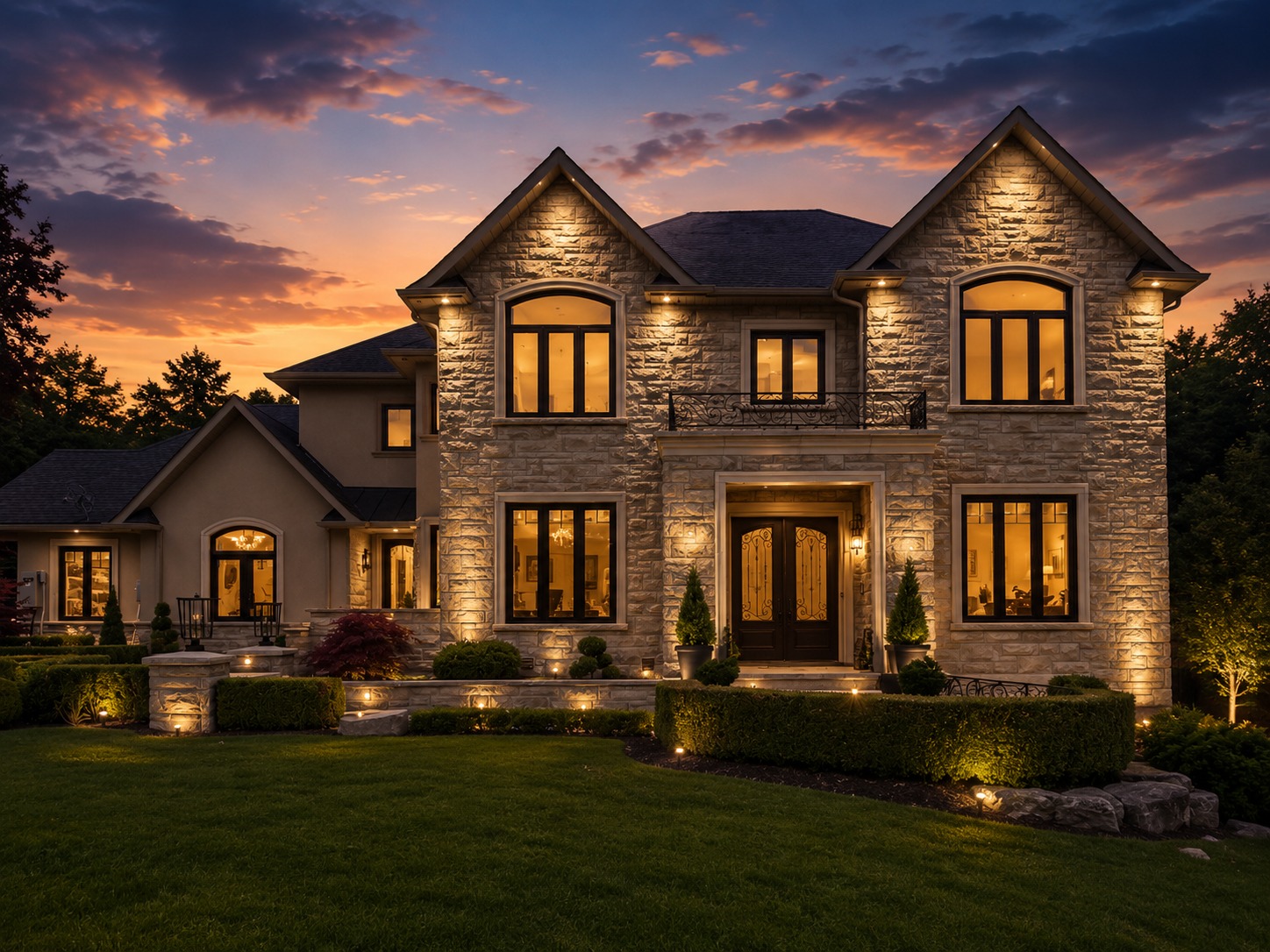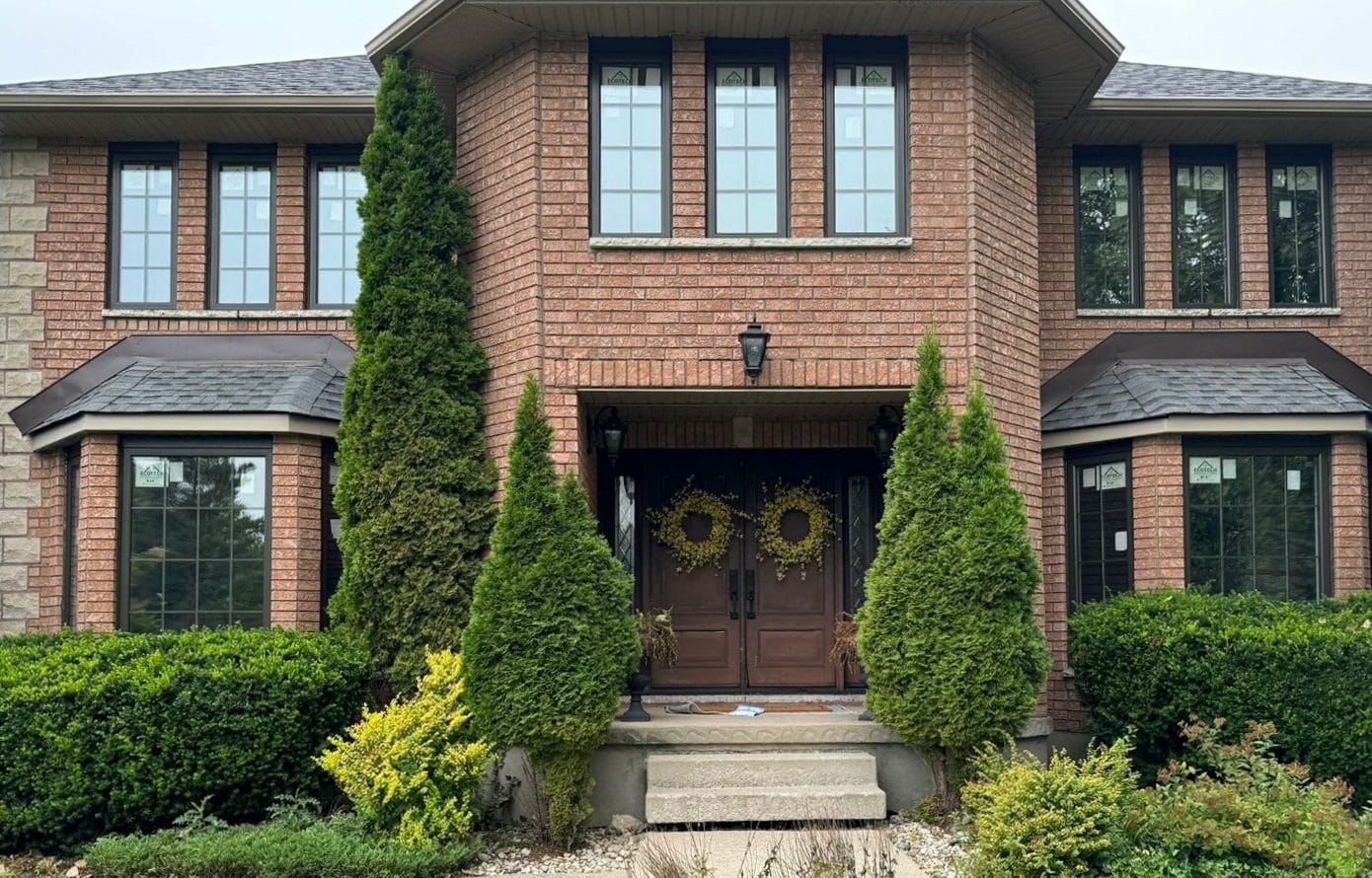
Choosing the right windows is essential for keeping your home comfortable, energy-efficient, and protected throughout Canada’s changing seasons. From freezing winter temperatures and heavy snowfall to strong winds and summer heat, your windows must withstand different weather conditions while maintaining indoor comfort. At EcoTech Windows & Doors, homeowners can explore a wide range of durable and energy-efficient window styles designed to improve insulation, functionality, and long-term performance. Understanding which options work best can help you choose the best windows for cold climate Canada and make a valuable investment in your home.
Why Do Window Styles Matter in Extreme Weather Conditions?
Window design plays an important role in protecting your home from outdoor elements. Certain window styles provide tighter seals, better resistance to air infiltration, and improved protection against rain and snow. Choosing an appropriate style can help maintain consistent indoor temperatures and reduce unnecessary energy loss.
During Canadian winters, poorly sealed windows can allow cold air to enter and warm air to escape. This can make heating systems work harder and increase energy costs. In warmer months, properly selected windows can also help manage heat gain while allowing natural ventilation.
When comparing window styles, consider:
- Air leakage: Windows with secure locking mechanisms and tight seals help reduce drafts.
- Weather resistance: Quality construction helps protect against rain, snow, and strong winds.
- Energy efficiency: Insulated frames and high-performance glass help maintain indoor comfort.
- Ventilation: Different opening styles provide varying levels of airflow.
- Durability: Strong materials and reliable hardware support long-term performance.
7 Best Window Styles for Extreme Weather Conditions
Not every window style performs the same way in challenging weather. Some are designed to create a tighter seal, while others offer convenient ventilation and practical functionality. Here are seven popular options to consider when choosing windows for Canadian homes.
Casement windows are hinged on one side and open outward using a crank mechanism. When closed, the sash presses against the frame, helping create a tight seal that can reduce unwanted air infiltration.
This design makes casement windows a strong option for homes exposed to cold temperatures and windy conditions. They also provide excellent ventilation when open and allow homeowners to enjoy fresh air during warmer weather.
Key benefits:
- Tight closing mechanism helps minimize drafts.
- Suitable for improving insulation and indoor comfort.
- Provides wide openings for natural ventilation.
- Available with energy-efficient glass options.
Awning windows are hinged at the top and open outward from the bottom. Their design creates a small protective overhang that can help prevent rain and light snow from entering while the window is open.
They are especially useful in areas where homeowners want ventilation without exposing the interior directly to light rainfall. When properly installed and sealed, awning windows can also support energy efficiency during colder months.
Key benefits:
- Allows ventilation during light rain.
- Helps reduce unwanted air leakage when closed.
- Works well above larger fixed windows.
- Offers a practical design for various room layouts.
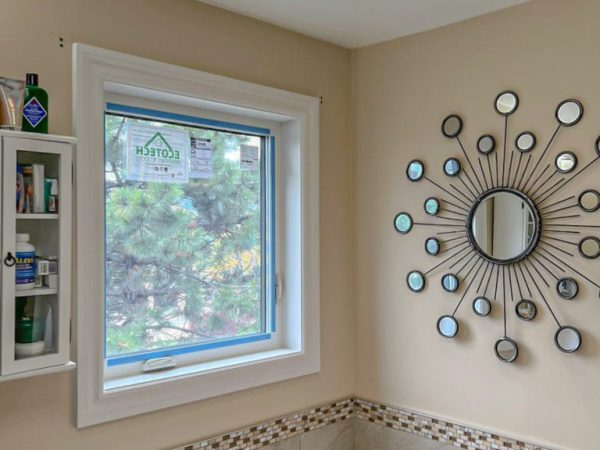
Double-hung windows feature two movable sashes that slide vertically, allowing homeowners to open either the top or bottom section. This flexibility makes them suitable for different ventilation preferences throughout the year.
Their traditional appearance works well with many architectural styles. However, their energy performance depends heavily on the quality of the frame, weatherstripping, locking system, and overall installation.
Key benefits:
- Flexible ventilation from the top or bottom.
- Easy to coordinate with traditional and modern homes.
- Convenient operation and maintenance.
- Available with energy-efficient glazing options
Single-hung windows have a fixed upper sash and a movable lower sash. Their straightforward design makes them a practical option for homeowners who prefer a simple window with fewer moving components.
They can provide reliable performance when manufactured with quality materials and installed with proper sealing. Their compact operation also makes them suitable for locations where outward-opening windows may not be practical.
Key benefits:
- imple and functional design.
- Suitable for various home styles.
- Convenient for areas with limited exterior space.
- Can support energy efficiency with quality glazing and seals.
Sliding windows operate horizontally along a track and are commonly used in rooms with wider wall openings. Their design makes them easy to operate and provides broad outdoor views.
However, because sliding windows rely on tracks and moving seals, their weather performance depends on the quality of their construction and maintenance. Look for durable weatherstripping, secure interlocks, and well-designed drainage features.
Key benefits:
- Smooth horizontal operation.
- Ideal for wider openings.
- Provides expansive outdoor views.
- Available in energy-efficient configurations.
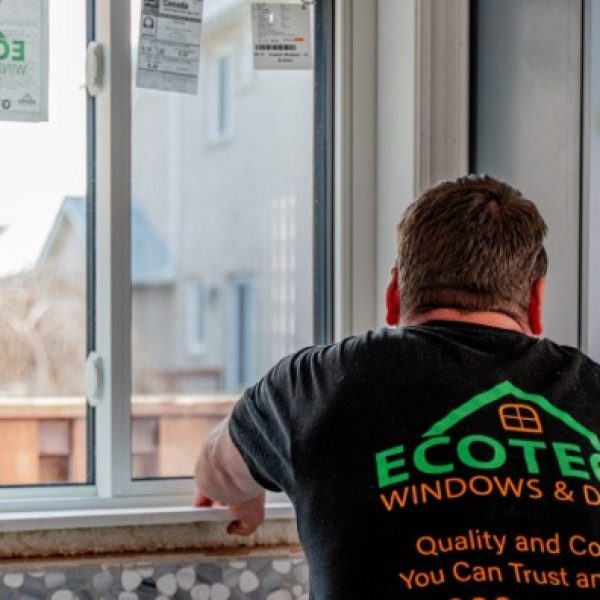
Hopper windows are generally installed in basements and smaller spaces. They are hinged at the bottom and open inward from the top, making them useful for controlled ventilation.
Their compact design makes them a practical choice where larger windows may not fit. For cold climates, proper installation, quality seals, and suitable glazing are important for maintaining comfort.
Key benefits:
- Compact design for smaller openings.
- Provides controlled ventilation.
- Suitable for basement applications.
- Can be combined with insulated glass and durable frames.
7. Bay and Bow Windows – Combine Comfort with Natural Light
Bay and bow windows extend outward from the exterior wall, creating additional interior space and allowing more natural light into the room. Bay windows typically feature three sections, while bow windows use several connected panels to create a curved appearance.
Although these styles add architectural appeal, their performance depends on the quality of each window unit, frame connections, insulation, and installation. Proper sealing around the entire structure is especially important in areas with harsh winter conditions.
Key benefits:
- Brings more natural light indoors.
- Creates an attractive architectural feature.
- Offers wider outdoor views.
- Can incorporate energy-efficient window units.
Window Style Comparison: Which Option Is Best for Canadian Weather?
Each window style offers different advantages depending on your home’s layout, ventilation needs, and exposure to outdoor conditions.
Window Style | Main Advantage | Suitable Application |
Tight closing seal | Wind-exposed areas | |
Ventilation during light rain | Kitchens and bathrooms | |
Flexible ventilation | Bedrooms and living rooms | |
Simple operation | Traditional home designs | |
Wide horizontal openings | Living rooms and larger spaces | |
Compact ventilation | Basements | |
Natural light and wider views | Living rooms and feature areas |
For homeowners prioritizing insulation in colder regions, casement and awning windows are often worth considering because of their compression-style closing mechanisms. However, the overall performance of any window depends on its tested energy ratings, materials, glazing, and installation quality.
What Features Should You Look for in the Best Windows for Cold Climate Canada?
Window style is only one part of the decision. The materials, glass configuration, insulation, and sealing system also determine how well your windows perform in extreme temperatures.
1. Double or Triple-Pane Glass
Double-pane windows contain two glass layers separated by an insulated space, while triple-pane windows include three glass layers. These configurations help reduce heat transfer and improve indoor comfort.
For homes in colder parts of Canada, triple-pane glass may provide additional insulation. However, the best option depends on your local climate, window size, budget, and energy-efficiency requirements.
Low-emissivity (Low-E) glass features a specialized coating that helps manage heat transfer through the window. It can reduce unwanted heat loss during winter while helping control solar heat gain during warmer months.
Choosing the appropriate Low-E glass configuration can improve year-round comfort and help reduce heating and cooling demands.
3. Insulated Vinyl Frames
Vinyl frames are popular because they offer durability, low maintenance, and good insulation properties. Multi-chambered vinyl frames create internal spaces that help slow heat transfer.
Some advanced designs also include foam-filled chambers for additional thermal and sound insulation. These features can help maintain comfortable indoor temperatures throughout the year.
4. Quality Weatherstripping and Locking Systems
A window’s sealing system is essential for preventing drafts and moisture infiltration. High-quality weatherstripping helps create a secure barrier when the window is closed.
Reliable locking systems also help pull the sash firmly against the frame, supporting a tighter fit and improving overall performance.

Window Features Comparison for Extreme Weather
Window Feature | Main Purpose | Benefit |
Double-pane glass | Reduces heat transfer | Improved insulation |
Triple-pane glass | Adds another insulating layer | Enhanced thermal performance |
Low-E coating | Controls radiant heat transfer | Better year-round comfort |
Multi-chamber vinyl frames | Slows heat transfer | Improved insulation |
Foam-filled chambers | Adds insulation within frames | Greater thermal and sound performance |
Quality weatherstripping | Seals gaps around the sash | Reduced drafts |
Secure locking systems | Keeps the sash firmly closed | Improved sealing and security |
How to Choose the Right Windows for Your Home's Climate?
Selecting the right windows starts with understanding your home’s specific requirements. Consider the amount of exposure your property receives to wind, rain, snow, and direct sunlight.
Before making a decision, evaluate:
Local climate:
Consider winter temperatures, snowfall, rainfall, and wind exposure.
Window location:
Bedrooms, basements, kitchens, and living rooms may require different designs.
Energy performance:
Compare U-factor, Energy Rating, and other relevant product specifications.
Frame materials:
Look for durable, insulated materials suitable for Canadian conditions.
Installation quality:
Make sure the installation includes proper sealing and insulation.
Budget:
Compare initial costs with potential long-term energy savings.
Understanding Window Energy Ratings
Energy ratings help homeowners compare the performance of different window products. The U-factor measures how quickly heat passes through a window, so a lower U-factor generally indicates better insulation.
The Solar Heat Gain Coefficient (SHGC) measures how much solar heat enters through the glass. Depending on your home’s orientation and climate, you may want to balance insulation with appropriate solar heat control.
Comparing these ratings can help you make a more informed decision when shopping for energy-efficient replacement windows.
Conclusion
Choosing the right window style can make a meaningful difference in how your home handles Canada’s extreme weather conditions. Casement and awning windows are worth considering for their tight closing designs, while double-hung, sliding, hopper, bay, and bow windows offer different advantages for ventilation, space, and appearance.
However, window style alone does not determine performance. Quality frames, energy-efficient glass, reliable weatherstripping, and professional installation are equally important.
With a variety of window styles and advanced EcoSmart features, EcoTech Windows & Doors helps homeowners explore replacement solutions designed for comfort, durability, and energy efficiency.
At EcoTech Windows & Doors, we pride ourselves on being among the best windows companies in Ontario. Our products are ENERGY STAR®-certified, designed for Canadian climates, and backed by strong warranties.
With expert installers and excellent customer service, we make your windows replacement project smooth and stress-free. Contact us today: Call us at 888-880-6827, send us an email at info@ecotechwindows.ca, or you can visit our website www.ecotechwindows.ca.
Frequently Asked Questions
1. What Are the Best Window Styles for Extreme Cold Weather?
Casement and awning windows are often good choices for cold climates because their closing mechanisms press the sash against the frame, helping create a tight seal. Their actual performance also depends on the glass, frame, weatherstripping, and installation.
2. Are Triple-Pane Windows Worth It in Canada?
Triple-pane windows can provide additional insulation compared with double-pane options. They may be particularly beneficial in colder regions, although the value depends on the local climate, product performance, and installation cost.
3. Are Vinyl Windows Good for Extreme Weather Conditions?
Yes. Quality vinyl windows can perform well in Canadian weather because vinyl frames provide insulation, resist moisture, and require relatively little maintenance. Multi-chambered designs can further support thermal performance.
4. Which Windows Are Best for Strong Winds?
Casement windows are often a suitable option because their closing mechanism pulls the sash firmly against the frame. However, wind resistance also depends on the window’s structural ratings, glass, hardware, and installation.
5. How Do I Know If My Windows Are Energy Efficient?
Check the window’s U-factor, Energy Rating, glazing specifications, frame construction, and certification information. A lower U-factor generally indicates better insulation. You should also look for quality weatherstripping and proper installation.
6. Does EcoTech Windows & Doors Offer Energy-Efficient Window Replacement Options?
Yes. EcoTech offers several window styles with features such as multi-chambered UPVC frames, high-performance Low-E glass, and double- or triple-pane glazing options. Homeowners can explore available configurations to find solutions that suit their properties.