
The window and door industry has been around for centuries, with glass windows and wooden doors being the norm for many years. However, with the advent of technology, new materials and manufacturing techniques have allowed the industry to evolve and improve rapidly. One of the most significant advancements in the window and door industry has been the use of argon gas technology. Argon gas is a non-toxic, odourless, and colourless gas that is denser than air. When used as an insulating gas in windows and doors, it helps to reduce heat transfer and improve energy efficiency. The use of argon gas technology has become increasingly popular in recent years, and many companies are incorporating it into their products to offer improved energy efficiency to their customers. In this blog topic, we are going to talk about argon gas technology.
Picture Source – glass-rite.com
Ecotech Windows and Doors has been a leading innovator in incorporating argon gas technology into their products for years. They have made impressive advancements in this field, including the use of Low-E coatings. These coatings, when applied to the glass in a window or door, reflect heat into the room while allowing light to pass through. When combined with argon gas, they can significantly enhance a window or door’s insulating properties, reducing energy consumption and costs.
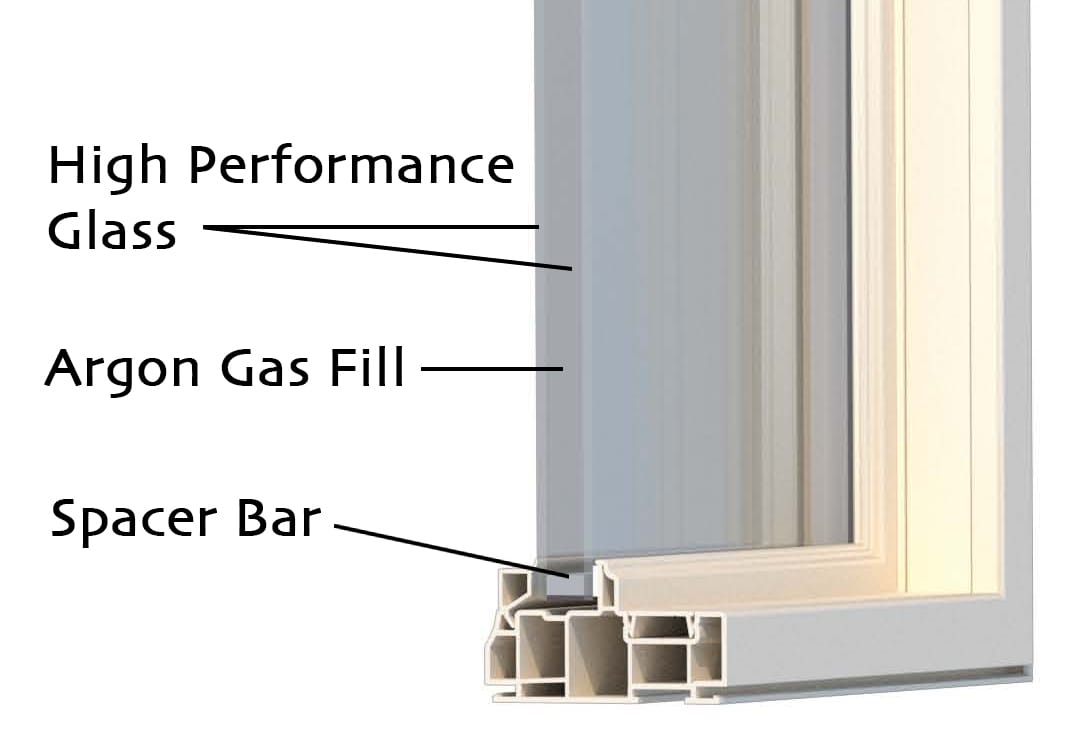
Ecotech has also integrated warm-edge spacers into their products, creating a barrier between the panes of glass that prevents air movement and reduces heat transfer. These spacers are made of materials that are less conductive than traditional aluminum spacers, further improving a window or door’s insulating properties.
What is Argon Gas Technology?
Argon gas technology is a method used to improve the insulation properties of windows and doors. This technology involves filling the space between the panes of glass in a window or door with argon gas. Argon is a non-toxic, colourless, and odourless gas that is denser than air.

Picture Source – adamsgas.co.uk
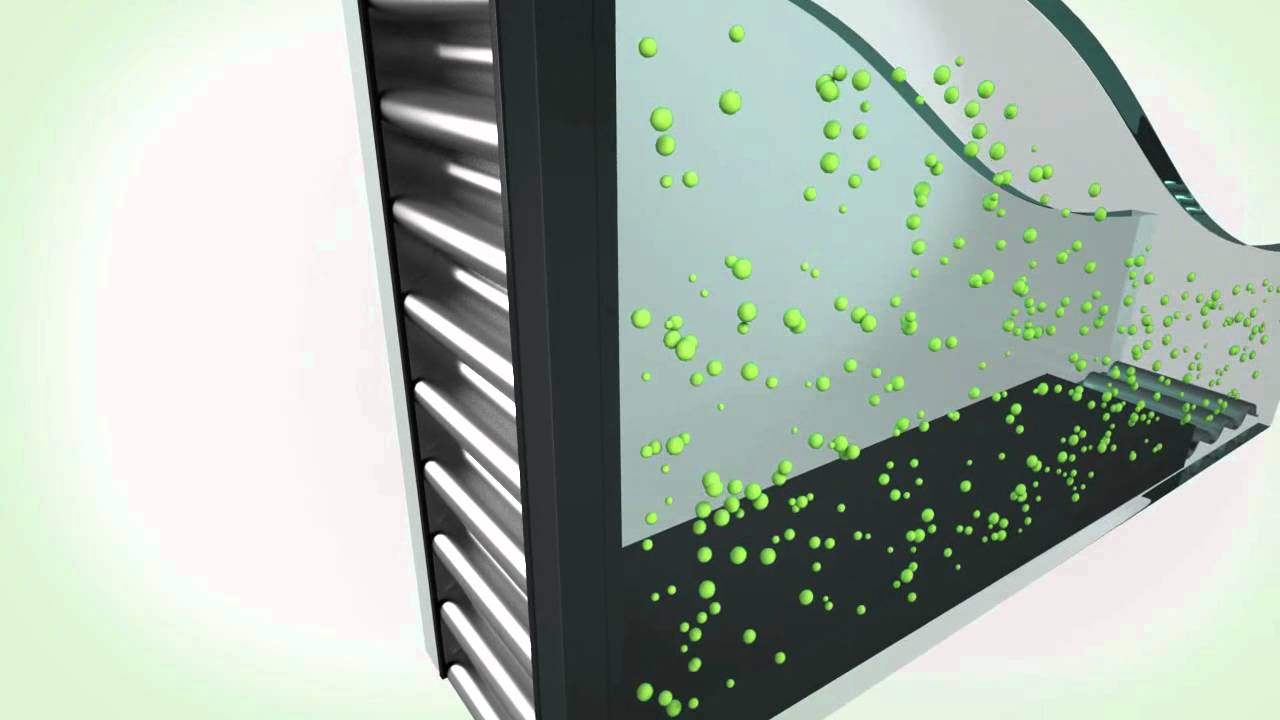
When used as an insulating gas in windows and doors, argon gas can help reduce heat transfer by slowing down the convection process. Convection is the movement of heat through fluids, and by filling the space between the glass panes with argon gas, the transfer of heat is reduced because argon gas is denser than air, which is a poor insulator.
The use of argon gas between the panes of glass in a window or door can significantly increase the insulation of the window or door, reducing heat loss in the winter and heat gain in the summer. As a result, the energy efficiency of the window or door is improved, which can help to reduce energy costs for homeowners and businesses.
In addition to improving energy efficiency, argon gas technology can also reduce noise transmission through windows and doors. By reducing heat transfer, argon gas technology can also help create a more comfortable living or working environment by keeping the temperature more consistent and reducing drafts.
How is Argon Gas Technology Evolving?
Argon gas technology has been used in the window and door industry for several decades. However, in recent years, there have been significant advancements in this technology. One of the main areas of advancement has been in the manufacturing process.
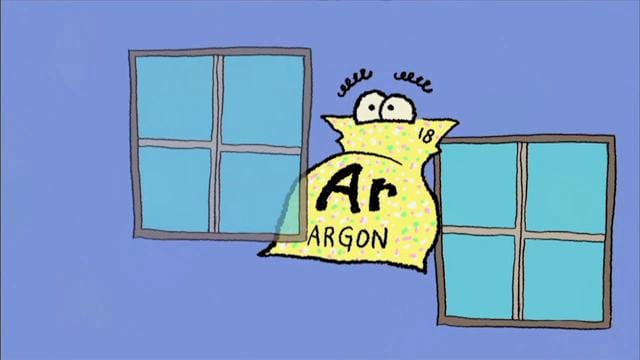
With the use of advanced manufacturing techniques, it is now possible to produce windows and doors with a more precise and consistent gap between the panes of glass. Controlling the space between the panes of glass more accurately means we can use argon gas more effectively. The gap between the panes of glass plays a critical role in determining how much argon gas we can use, and consequently, how effective the insulation properties will be.
Picture Source – th.bing.com
The manufacturing process for windows and doors has evolved significantly in recent years, with the use of advanced technologies such as robotic automation, computer-controlled cutting, and precision glazing techniques. These advancements have allowed for a more precise and consistent production process, resulting in windows and doors that are more effective at using argon gas to improve energy efficiency.
Additionally, the use of warm-edge spacers, which are less conductive than traditional aluminum spacers, has improved the effectiveness of argon gas technology in windows and doors. Warm-edge spacers help to reduce heat transfer between the glass panes, which can further improve the insulation properties of the window or door.
How Argon Gas Technology is Improving in the Windows and Doors Industry
1. Argon Gas as Insulator –
Argon gas is a dense, non-toxic, odourless, and colourless gas that is used as an insulator in windows and doors to reduce heat transfer. It is an excellent insulator because it is denser than air, and it is a non-toxic and odourless gas. This means that when it is used as an insulating gas between the panes of glass in windows and doors, it can help to reduce heat transfer, improve energy efficiency, and create a more comfortable living or working environment.
2. Argon Gas as Barrier –
We typically insert argon gas between the panes of glass in a window or door to create a barrier that helps prevent heat from escaping in the winter and entering in the summer. This, in turn, reduces the amount of energy needed to heat or cool a building. When we insert argon gas between the panes of glass in a window or door, it creates a barrier that helps prevent heat from escaping in the winter and entering in the summer. This reduces the amount of energy needed to heat or cool a building, which can result in significant energy savings over time. Learn more about how energy-efficient windows keep heat out during summer.
3. Argon Gas with Low-E Coating –
Developers have created low-emissivity (low-e) coatings and applied them to the glass in a window or door to reflect heat into the room while allowing light to pass through, significantly enhancing a window or door’s insulating properties when combined with argon gas. The low-emissivity (low-e) coatings are a thin, transparent layer of material that we apply to the glass in a window or door. These coatings reflect heat into the room while allowing light to pass through, which can significantly improve a window or door’s insulating properties when combined with argon gas.
Picture Source – i.ytimg.com
4. Warm-Edge Spacers –
To reduce heat transfer and create a barrier that prevents air from moving between the glass panes, we place warm-edge spacers between them. The materials used to make these spacers are less conductive than traditional aluminum spacers, which further enhances the insulating properties of windows or doors.
5. Improve Sound Insulation –
Argon gas technology can improve the sound insulation properties of windows and doors by reducing the amount of noise that can pass through them, creating a more comfortable and peaceful living or working environment. Argon gas technology can also improve the sound insulation properties of windows and doors by reducing the amount of noise that can pass through them. This can create a more comfortable and peaceful living or working environment.
What Are Argon Gas Windows?
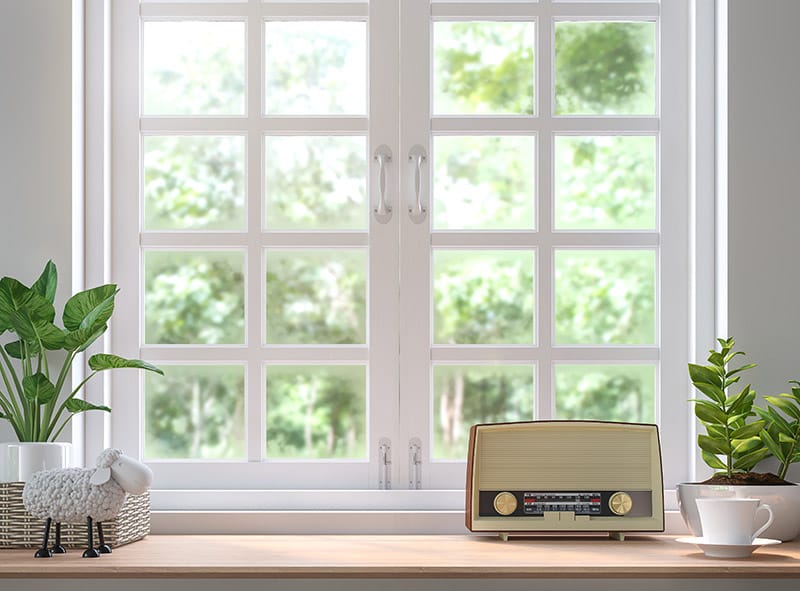
We simply fill argon gas between the two panes of glass to create argon gas windows. Argon gas is a type of gas that is non-toxic, colourless, odourless, and denser than air. By filling the space between the two panes of glass with argon gas, the window becomes more energy-efficient, as the gas serves as an additional layer of insulation that reduces heat transfer.
Picture Source – th.bing.com
The use of argon gas in windows is becoming more popular due to its affordability and effectiveness in improving energy efficiency. Homeowners can save money on their energy bills by installing argon gas windows, as they help keep the home warmer in the winter and cooler in the summer, reducing the need for heating and air conditioning.
5 Benefits of Argon Gas Windows
- Energy Efficiency: One of the primary benefits of argon gas windows is their superior energy efficiency. By providing an additional layer of insulation, these windows can help to reduce heating and cooling costs by up to 30%. This means that homeowners can save significant money on their energy bills over time.
- Improved Comfort: Argon gas windows can also help to improve the overall comfort of a home. By reducing heat transfer, they can help to maintain a consistent temperature throughout the home, which can help to eliminate cold spots and drafts.
- Durability: Another benefit of argon gas windows is their durability. The use of argon gas helps to reduce the stress on the window seals, which can help to extend the life of the window. This means that homeowners can save money on replacement windows in the long run.
- Reduced Condensation: Argon gas windows can also help to reduce condensation on the inside of the window. This is because the gas provides an additional layer of insulation, which helps to keep the inside of the window warmer and reduces the likelihood of condensation forming.
- Environmental Friendliness: The use of argon gas in windows is also environmentally friendly. Argon gas is an inert, non-toxic gas, meaning that it does not react with other chemicals in the environment. This makes it a safe and sustainable choice for insulation in windows. Read why upgrading windows & doors is a great investment in 2023.
How Are Argon Gas Windows Made?
To make argon gas windows, we create two panes of glass and seal them together with a spacer, forming a small gap between the panes. Then, we fill this gap with argon gas, which is a non-reactive and non-toxic gas that helps to reduce heat transfer.
 Picture Source – th.bing.com
To ensure that the argon gas remains in the window and does not escape, manufacturers use a variety of techniques to seal the window. One of the most common techniques is to use a warm-edge spacer, made from a low-conductive material that helps reduce heat loss through the edge of the window. This technique helps to prevent the argon gas from escaping and helps to improve the overall energy efficiency of the window.
Conclusion –
In conclusion, argon gas technology has come a long way in the window and door industry, and it continues to evolve and improve. With advancements in manufacturing techniques, companies like Ecotech Windows and Doors. are leading the way in this field. The use of argon gas technology in windows and doors offers several benefits, including improved energy efficiency, reduced noise transmission, increased comfort, and environmental sustainability. As the demand for energy-efficient and sustainable products continues to grow, we can expect to see further advancements in argon gas technology in the window and door industry.


