
Windows serve as essential components of our homes, allowing natural light to brighten our living spaces and offering views of the outside world. However, when heavy rain strikes, windows can become vulnerable to leaks. Leaking windows pose a variety of problems, including water damage, mold growth, and energy inefficiency. ENERGY STAR certified windows can help mitigate these issues by providing better insulation and reducing the likelihood of leaks. Understanding the causes, signs, and solutions for window leaks is crucial for homeowners. In this comprehensive guide, we will explore the reasons behind leaking windows during rainfall, signs to identify potential leaks, effective repair techniques, and preventive measures. So, if you’ve ever wondered why your windows leak during rainstorms, keep reading to gain valuable insights.
Picture Source – lifetime-exteriors.net
1. Understanding What Causes Leaking Windows
1.1 What Causes Leaking Windows?
Leaking windows can occur due to various factors that compromise the window’s ability to keep water out. Understanding these causes is essential for effective leak prevention. Here are the primary culprits:
- Poor Window Installation: Inadequate installation techniques, such as improper sealing or failing to align the window correctly, can leave gaps or openings that allow water infiltration during rainstorms.
- Damaged or Deteriorated Window Seals: Over time, weatherstripping and caulking around the window frame can degrade, leading to gaps and leaks. Exposure to sunlight, extreme temperatures, and moisture contribute to seal deterioration.
- Cracked or Broken Window Glass: A cracked or broken window glass provides a direct entry point for rainwater, resulting in leaks.
- Faulty Flashing: Flashing is a waterproof barrier installed around windows to divert water away from vulnerable areas. If flashing is damaged, incorrectly installed, or missing altogether, water can infiltrate the window assembly.
- Clogged or Improperly Designed Drainage Systems: Windows typically feature drainage mechanisms, such as weep holes or channels, to allow water to escape. If these drainage pathways become clogged or are not designed to handle heavy rainfall, water can accumulate and seep into the building.
Also Read: Replacing Windows and Doors: What to Look For
1.2 Signs of Window Leaks
Detecting window leaks promptly is vital to prevent further damage to your home. Here are key signs to be aware of:
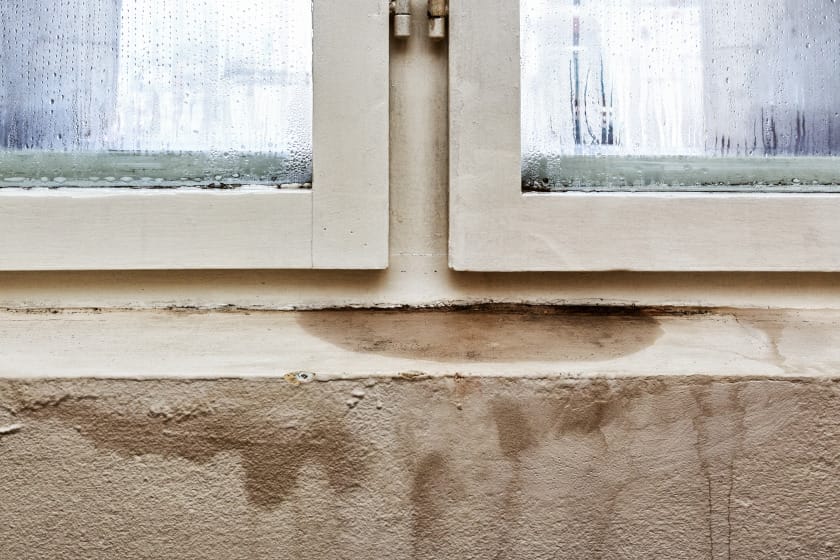
- Water Stains: Water stains on interior walls, window sills, or surrounding areas are telltale signs of a window leak. Look for discoloration or areas where paint is bubbling or peeling.
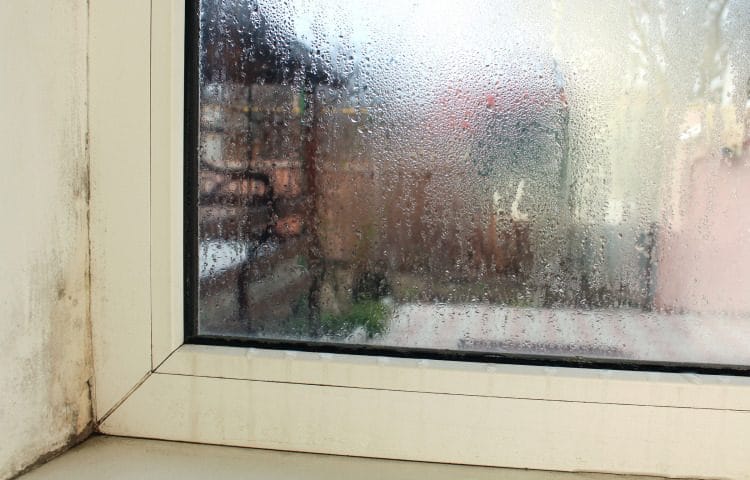
- Condensation Buildup: Excessive condensation forming on the inside of windows during rainstorms may indicate a leak. While condensation alone does not necessarily imply a leak, its presence suggests a potential problem.
- Damp or Musty Odors: If you notice musty or damp smells near your windows, it could be a sign of water infiltration. The presence of moisture provides an ideal environment for mold and mildew growth.
- Peeling Paint or Wallpaper: Water seeping into the walls through window leaks can cause paint or wallpaper to peel, bubble, or appear discolored.
- Visible Mold or Mildew Growth: Leaking windows can create a moist environment conducive to mold and mildew development. Keep an eye out for signs of mold or mildew on the window frames, walls, or nearby surfaces.

Picture Source – affordableremediation.com
2. Repairing Leaking Windows
2.1 Temporary Fixes for Window Leaks
When you face a window leak, implementing temporary measures can help minimize immediate damage and buy you time until you can perform a permanent repair. Consider the following solutions:
- Apply Weatherstripping: Weatherstripping tape or seals can be applied around the window frame to create a temporary barrier against water infiltration. Ensure that the affected areas are clean and dry before applying the weatherstripping.
- Use Waterproof Sealant: Applying a waterproof sealant to gaps, cracks, or damaged areas around the window can provide a temporary solution until a thorough repair is possible. Make sure to choose a sealant suitable for the window material and follow the manufacturer’s instructions.
- Install Window Film: Window films with waterproof properties can act as an additional layer of protection against water intrusion. Properly installed films can help prevent rainwater from seeping through cracks or gaps.
Also Read: How Much Does Window Replacement Cost
2.2 Professional Window Leak Repair
For a long-term and effective solution, consulting a professional for window leak repair is recommended. Professionals have the expertise to identify the root cause of the leak and provide appropriate remedies. Common repair methods employed by professionals include:
- Replacing Damaged Seals: You may need to replace weatherstripping and caulking around the window frame to restore the window’s integrity and ensure an effective seal against water infiltration.
- Repairing or Replacing Window Flashing: Damaged or incorrectly installed flashing should be repaired or replaced to prevent further leaks. Properly installed flashing directs water away from vulnerable areas, reducing the risk of water intrusion.
- Window Glass Replacement: Cracked or broken window glass must be replaced to eliminate the source of the leak and restore the window’s functionality. Professionals can safely remove the damaged glass and install a new one.
- Reinforcing Window Joints and Sashes: Weak or loose joints and sashes can contribute to window leaks. Professionals can reinforce these areas to enhance the window’s ability to withstand heavy rain.
- Evaluating and Repairing Drainage Systems: Evaluating and Repairing Drainage Systems: Conduct a thorough inspection of the window’s drainage mechanisms, such as weep holes or channels. If these pathways are clogged or improperly designed, professionals can clear blockages or recommend appropriate modifications.

Picture Source – angi.com
3. Preventing Future Leaking Windows
Prevention is key when it comes to window leaks. Taking proactive measures to protect your windows and address potential issues can save you from costly repairs and ensure the longevity of your windows. Consider the following preventive strategies:
3.1 Regular Window Maintenance
Regular maintenance is essential to keep your windows in optimal condition. Follow these maintenance tips:
- Inspect and Clean Windows: Regularly inspect your windows for signs of damage or deterioration. Clean the glass, frames, and tracks to remove dirt, debris, and potential obstructions.
- Test Window Operation: Open and close your windows periodically to ensure smooth operation. Check for any resistance or misalignment that may compromise the window’s ability to form a proper seal.
Also Read: 15 Benefits of Using Low-E Glass in Energy-Efficient Windows
3.2 Check and Maintain Window Seals
Proper maintenance of window seals is crucial for leak prevention. Take these steps to maintain effective seals:
- Inspect Weatherstripping and Caulking: Regularly examine weatherstripping and caulking around your windows. Look for gaps, cracks, or signs of deterioration. Replace or repair damaged seals promptly to maintain an effective barrier against water infiltration.
- Reapply Caulking as Needed: Over time, caulking may degrade or shrink. Reapply caulking as necessary to ensure a continuous seal between the window frame and the surrounding structure.
3.3 Improve Drainage Systems
Adequate drainage is vital to prevent water from seeping into your home. Implement the following measures to improve drainage:
- Clear Weep Holes and Channels: Weep holes and channels are designed to allow water to escape from the window assembly. Regularly clear these openings from debris, dust, or other blockages that might impede proper Use a soft brush or a small tool to remove any obstructions carefully.
- Consider Window Well Covers: If you have below-grade windows or window wells, installing covers can help prevent water accumulation around the windows. Ensure the covers are securely in place and allow for proper drainage.
- Redirect Water Flow: Assess the surrounding landscape and ensure that the ground slopes away from the foundation of your home. Proper grading can help direct rainwater away from windows, reducing the risk of water pooling and potential leaks.
3.4 Consider Window Upgrades
If you have older windows that are prone to leaks or if you’re looking to enhance your home’s energy efficiency, upgrading to modern windows can be a wise investment. Newer window models often feature improved sealing mechanisms, advanced materials, and enhanced resistance to water infiltration. Consider the following options:
- Double- or Triple-Pane Windows: These windows offer increased insulation and improved resistance to condensation and moisture. The additional layers of glass and insulating gas fillings reduce the chance of leaks and enhance energy efficiency.
- Impact-Resistant Windows: Particularly beneficial in areas prone to severe weather conditions, impact-resistant windows are designed to withstand high winds and debris impact, minimizing the risk of window damage and subsequent leaks.
- Professional Installation: When upgrading your windows, ensure they are installed by experienced professionals. Proper installation techniques are crucial to achieving a watertight seal and preventing future leaks.
Also Read: How Energy-Efficient Windows Keep Heat Out During Summer
Picture Source – truevalue.com
Conclusion:
Leaking windows during heavy rain can lead to significant damage and inconvenience for homeowners. By understanding the causes, recognizing the signs, and implementing effective repair and prevention measures, you can safeguard your home from window leaks. Regular maintenance, prompt repairs, and professional assistance when needed will help ensure the integrity of your windows and protect your home from water damage and mold growth. Remember, prevention is key, so take proactive steps to maintain your windows, address any issues promptly, and consider upgrading to modern, water-resistant windows for long-term peace of mind. With the right knowledge and care, you can enjoy a dry and comfortable living environment even during the heaviest rainstorms.
Frequently Asked Questions about Leaking Windows
1. How can I determine if my windows are leaking during heavy rain?
During heavy rain, there are several signs to look out for that may indicate window leaks. These signs include water stains on interior walls or window sills, condensation buildup on the inside of windows, musty odors near the windows, peeling paint or wallpaper, and visible mold or mildew growth. If you notice any of these signs, it’s likely that your windows are leaking.
2. Can I repair a leaking window myself, or should I hire a professional?
While temporary fixes such as applying weatherstripping, sealant, or window film can help mitigate immediate damage, it’s recommended to consult a professional for proper window leak repair. Professionals have the expertise to identify the underlying causes of the leaks and provide effective, long-term solutions. For instance, they can replace damaged seals, repair or replace faulty flashing, and address any other issues contributing to the leaks. Additionally, professionals can ensure that repairs are done correctly and comprehensively, preventing future problems. Therefore, while quick fixes are useful, relying on expert help guarantees a more permanent resolution.
3. How can I prevent window leaks during heavy rain?
Preventing window leaks starts with regular maintenance. Inspect your windows for any signs of damage or deterioration and promptly repair or replace damaged weatherstripping or caulking. Ensure that drainage systems, such as weep holes or channels, are clear and unobstructed. Additionally, consider upgrading to modern, energy-efficient windows that offer improved sealing and resistance to water infiltration.
4. Are window leaks covered by homeowners’ insurance?
Whether homeowners’ insurance covers window leaks depends on the specific policy and the cause of the leak. Your insurance might cover damage from sudden and accidental events, such as a storm or a fallen tree limb. However, it likely won’t cover leaks caused by lack of maintenance or wear and tear. Review your insurance policy and consult with your insurance provider to understand the coverage details.
5. Can window leaks lead to mold growth?
Yes, window leaks can create a moist environment that is conducive to mold and mildew growth. If water seeps into the walls or surrounding areas due to window leaks, it can provide the necessary conditions for mold spores to thrive. Mold growth can cause health issues and further damage to your home. It’s crucial to address window leaks promptly and address any resulting mold growth through professional remediation if necessary.
Picture Source – goldenwindows.com
Also Read: 5 Easy Ways for Maintenance of Windows in Winter
EcoTech Windows & Doors is a trusted supplier and installer of top-quality windows and doors. With over 22 years of experience, we have served numerous satisfied customers throughout the province. Contact us today at 1-888-880-6827 or fill out our convenient online form to schedule a free, no-obligation consultation. Take the first step towards enhancing the comfort, safety, and aesthetic appeal of your home.


