
Installing new windows or maintaining existing ones is only half the battle; what prevents drafts, heat loss, and costly energy bills is effective sealing. Implementing smart energy efficiency strategies around your windows can significantly enhance comfort, improve insulation, and save money year after year. At EcoTech Windows & Doors, we help Canadian homeowners use proper sealing techniques and best practices to create tightly sealed, energy-efficient homes that thrive through all seasons.
Why Window Sealing Matters ?
Before diving into how to seal windows effectively, consider a key question: Why should you prioritize sealing as part of your energy efficiency strategies?
Reduce Heating & Cooling Costs:
Poorly sealed windows let conditioned air escape and outdoor air in.
Prevent Moisture & Mold:
Gaps and cracks allow humidity in, which causes condensation and rot.
Enhance Comfort:
Say goodbye to cold drafts in winter and stuffy interiors in summer.
Increase Home Value:
Upgraded windows, sealed correctly, are attractive features for homebuyers.
Proper sealing is not just a one-and-done solution; it is an essential, year-round strategy for homeowners who want to truly optimize their energy performance.

What Are Common Window Air Leak Points?
Understanding where seals fail is crucial to preventing issues. Here are typical leak spots:
1. Perimeter of the Frame:
The junction between the window and the wall can allow air infiltration.
2. Window Sash Seals:
Wear and tear on weatherstripping during operation.
3. Glazing Bead:
The edge of the glass pane may develop small gaps over time.
4. Weep Holes & Drain Paths:
While necessary for drainage, they can become problematic if clogged.
Essential Tools & Materials
To start sealing, you will need:
- Low-expansion spray insulation foam
- Silicone or polyurethane caulk (exterior grade)
- Weatherstripping (foam, felt, or V-strip)
- Self-adhesive flashing waterproof tape
- Utility knife, caulk gun, gloves, cleaning cloth
Step-by-Step Window Sealing for Maximum Energy Efficiency
1. Inspect & Clean
Begin by examining the entire window and the surrounding wall for:
- Drafts that you can feel
- Loose or deteriorating caulking and weatherstripping
- Moisture stains or rot around the frame
Next, clean all surfaces to remove dirt and old sealant; this ensures a stronger, longer-lasting seal.
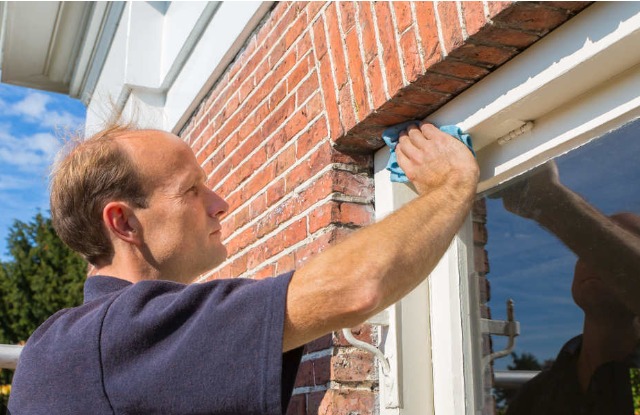
2. Reseal the Frame Perimeter
- Remove any old caulk completely.
- Apply a continuous bead of exterior-grade silicone caulk where the window meets the siding or trim.
- Smooth it out for a flush, protective seal.
- Overlap the caulk with flashing tape to guard against heavy rain or snow infiltration.
3. Insulate the Gap
Low-expanding spray foam is ideal for filling the cavity between the window and the rough opening. It expands to seal:
- Temperature cracks
- Insect entry points
- Drafty cavities
Let it settle, then trim any excess after it cures.
4. Weatherstrip the Sash
Moving window parts, like sashes, need flexible weatherstripping. Replace:
- Old or worn felt or foam
- Strips that are compressed
- V-Strip along edges to reduce drafts yet allow smooth operation
- Reinforce the sash contact areas to prevent inadvertent friction
5. Check & Clear Weep Holes
Weep holes at the bottom of your window frame prevent moisture buildup, but if they fill with dirt, water gets trapped, leaks develop, and seals break. Use a thin tool like a straw to gently clear them.
6. Apply Glazing Putty (If needed)
For older windows with single panes, use glazing putty to seal around glass edges. This prevents small breezes and improves durability. It may also enhance sound insulation.
7. Final Seal & Inspection
Once all work is done:
- Run your hand along the frame to feel for airflow
- Use a candle or incense stick inside; if the smoke drifts horizontally near the frame, you’ve found a leak
- Touch all caulk and foam areas. If they are dry with no cracks, the sealing was successful
When to Upgrade vs. Seal: A Quick Guide
Minor Drafts, Single-Pane Windows:
Proper sealing can significantly improve energy efficiency
Major Condensation, Warped Frames:
Replacing windows with quality insulated units may be more effective
Sealing New Units:
Always seal after installation; this step must never be skipped

DIY vs Professional Sealing
Sealing is something many homeowners can do themselves, making it a cost-effective part of an energy efficiency strategy. However, professionals bring:
- Precision in diagnosing leaks
- Quality materials that last
- Climate-specific solutions for harsh Canadian winters
EcoTech offers inspections and seal-up services to ensure premium results and peace of mind.
Visualizing Your Window Energy Strategy
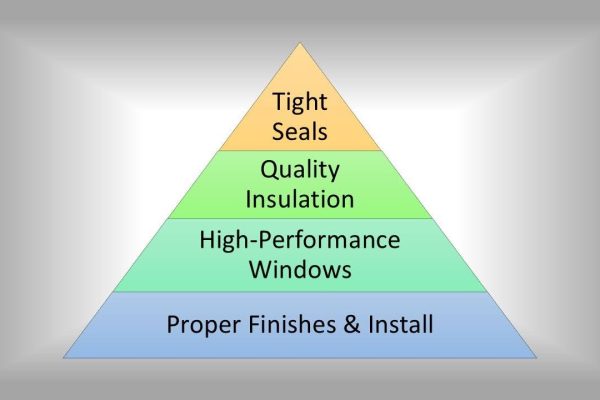
This hierarchy, with tight sealing at the top, is your roadmap to year-round efficiency and comfort.
Conclusion:
Window sealing is one of the most rewarding investments in your home’s energy strategy. When combined with quality window units, insulation, and professional craftsmanship, it delivers immediate savings, improved comfort, and durability throughout Canada’s seasons.
Frequently Asked Questions:
Q1: How often should I reseal my windows?
Inspect annually. Reseal as cracks or pelletized caulk appear, typically every 5-7 years.
Q2: Can sealing windows reduce my heating bill?
Yes, proper sealing can cut heating and cooling losses by up to 25%, depending on the home and climate.
Q3: Is sealing necessary for brand-new windows?
Absolutely. All window models require perimeter sealing. Skipping it can void the manufacturer’s warranty.
Q4: Which type of weatherstripping lasts longest?
Vinyl and silicone V-strip weatherstrips tend to last several years longer than foam or felt.
Ready to Seal in Savings? Take your energy efficiency strategies to the next level with EcoTech’s professional sealing services. Contact our experts at 888-880-6827, email at info@ecotechwindows.ca, or visit our website www.ecotechwindows.ca to schedule an energy audit and sealing quote. Let us help you make your Canadian home more efficient, comfortable, and resilient.


