This winter starts with one of the strongest El Niño events on record. The Canadian Centre for Climate Services, drawing on Environment and Climate Change Canada’s seasonal forecasting system, calls a very strong El Niño virtually certain this year, peaking in late fall or early winter. The Weather Network has been calling it a “super” El Niño.
For much of the country, that points to a milder winter. The Weather Network’s winter sneak peek sees a very mild and potentially record-breaking December, with the best odds of well-above-normal temperatures over Ontario and southern Quebec.
But a milder season isn’t the same as a calm one. The Canadian Centre for Climate Services says central Canada’s mild winter may be punctuated by extreme weather, including freezing rain, and it expects Atlantic Canada to see more winter storms. The Weather Network adds that Ontario and Quebec could be especially sensitive if storms keep tracking through while temperatures hover near the freezing mark.
Our take: this is a winter to think less about the average and more about the extremes. And when extreme weather reaches a house, the first places it tests are the windows and doors.
Mild Doesn't Mean Calm
Some of Canada’s most damaging winter weather has arrived in seasons that were otherwise forecast as mild. The great ice storm of January 1998, which cut power to more than 230,000 customers in eastern Ontario, happened during the 1997–98 El Niño, one of the strongest on record. Environment Canada noted at the time that ice storms aren’t common in El Niño winters, but said El Niño is believed to have played a significant role in setting the stage for that storm’s prolonged freezing rain.
The pattern isn’t limited to ice. During the 2023–24 El Niño winter, a polar vortex outbreak sent Edmonton to a record -45.3°C on January 13, 2024. In Nova Scotia, a January 2026 storm left roughly a quarter of Nova Scotia Power customers without power at its peak, according to news reports. Mild on average can still mean harsh on the worst days.
Your Windows and Doors Are the Front Line
A house is a system of layers: roof, walls, foundation, windows and doors. Of those, windows and doors are the only parts designed to open, and they’re the parts most exposed to everything a storm brings. Every opening is a joint between the house and the weather, and joints are where problems start. Here’s how extreme weather tests them.
- Wind. Strong winds push air through any gap around a sash, frame or door slab. On a calm day an older window might feel fine; on a windy one, the same window can turn a room cold and drafty.
- Water. Wind-driven rain and wet, heavy snow are pushed sideways against the glass and into the joints around the frame. When a window or door is past its prime or wasn’t installed with proper sealing, water can find its way into the wall, where it may show up as stained sills, peeling paint or damaged drywall long after the storm.
- Cold. Natural Resources Canada says windows, doors and skylights can account for up to 35% of a house’s total heat loss, and single-glazed windows lose about 10 to 20 times as much heat as the same area of a properly insulated wall. Energy-efficient windows keep the inside surface of the glass warmer, which can make a room more comfortable and may help reduce condensation and frost during a cold snap.
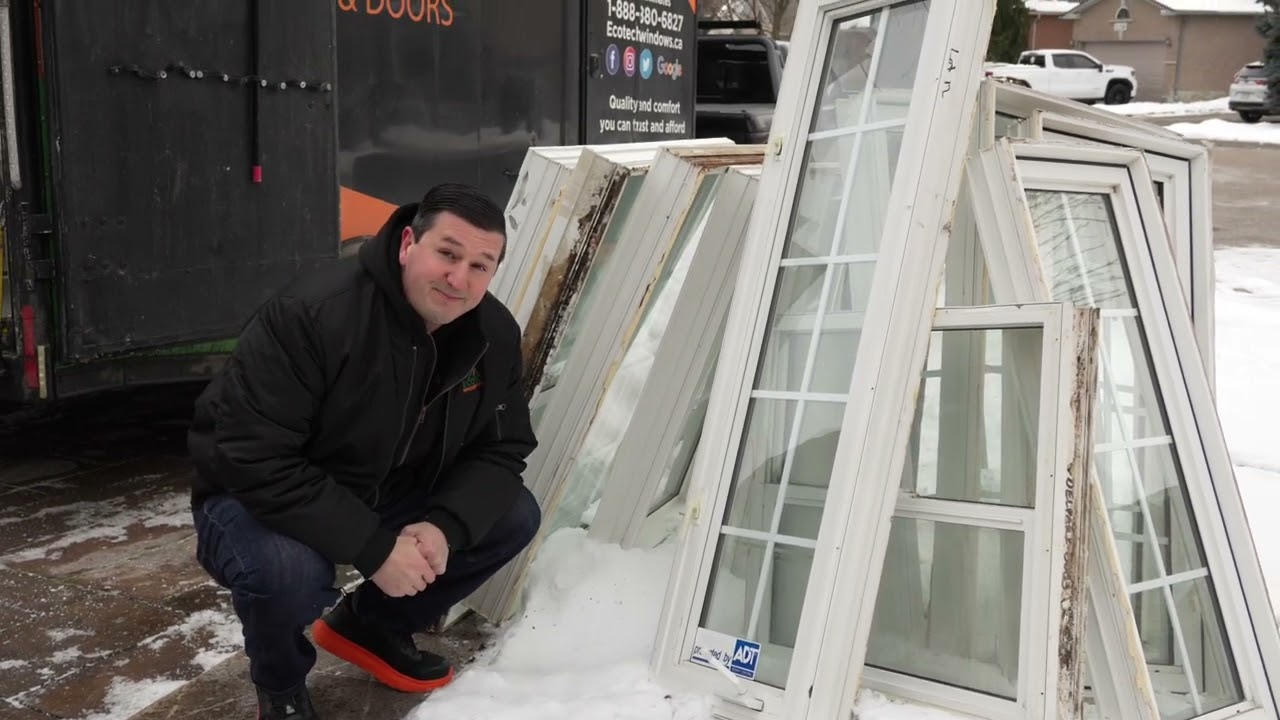
- Ice. Freezing rain and repeated freeze-thaw cycles are hard on tired windows and doors. Moisture that gets into worn frames can freeze, sashes can stick, and doors that have settled or warped can bind, leak air or let in light around the edges.
When the Power Goes Out, Too
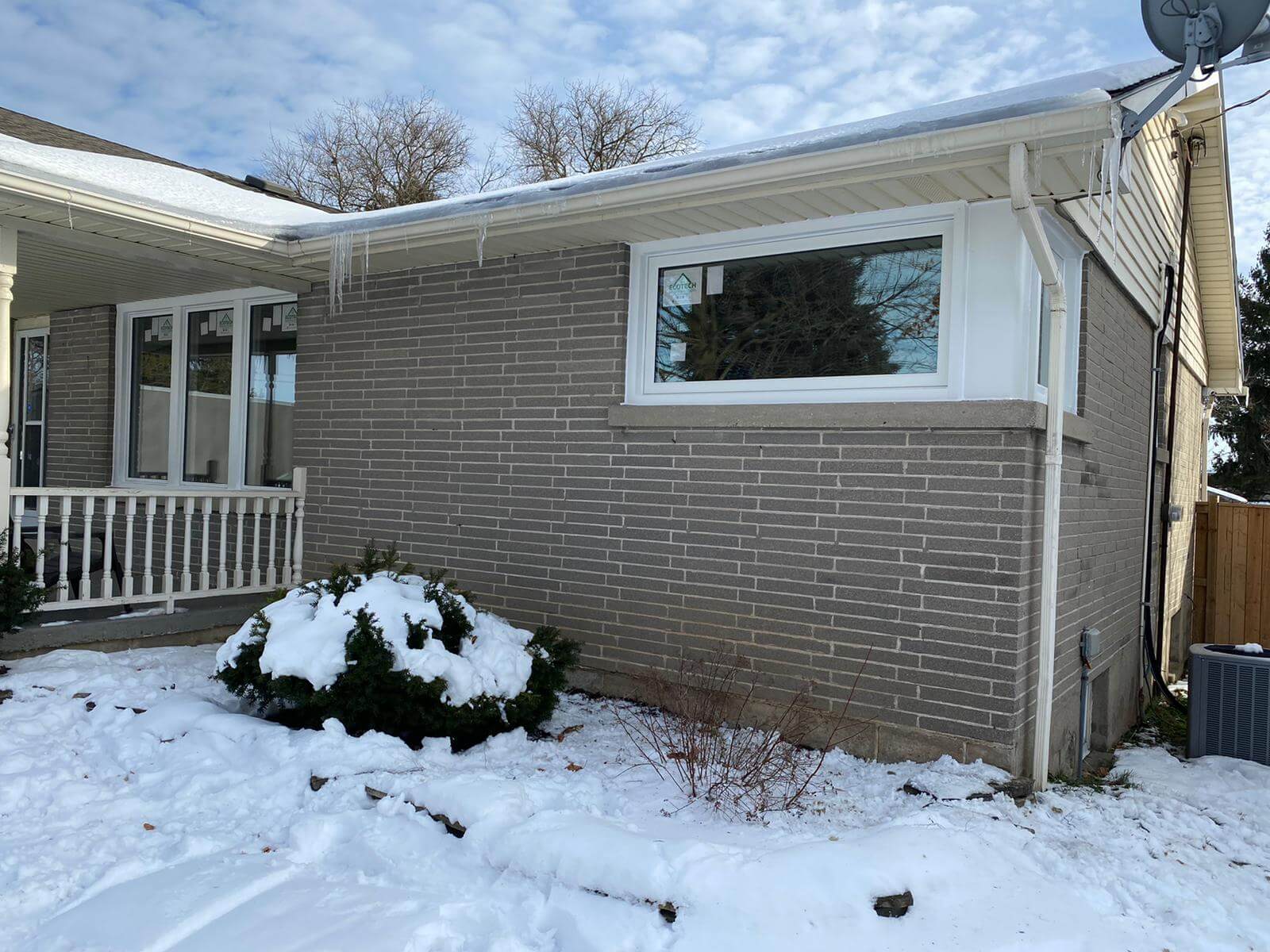
Extreme weather often brings outages with it. In December 2013, about 416,000 Toronto Hydro customers lost power during an ice storm, according to a City of Toronto staff report, and some homes waited more than a week. When the furnace stops, how quickly a home cools depends largely on its envelope. A tighter, better-insulated home, with newer windows and insulated doors as part of it, can slow that temperature drop. It’s one more way the openings that protect you from the weather also protect your comfort.
Safety still comes first. Public Safety Canada advises households to be ready to cope on their own during an outage, and warns never to use barbecues, camping stoves or fuel-burning generators indoors, including in a garage or basement. A working carbon monoxide alarm belongs in every winter plan.
What an El Niño Winter Can Look Like Across Our Markets
- GTA. Near-freezing storms are the risk to watch, as Toronto saw in 2013 and again in late March 2025, when freezing rain warnings covered the GTA and about one million Hydro One customers north of the city were affected. Ice and wind are hard on older windows and doors in the GTA’s postwar bungalows and 1970s and 1980s family homes.
- Ottawa and Eastern Ontario. The 1998 ice storm is the region’s reminder that a strong El Niño winter can still deliver a historic ice event. Openings that seal tightly and keep moisture out of the frame are what get a house through long stretches of freezing rain.
- Kitchener-Waterloo and Southwestern Ontario. Mild spells, an active storm track and strong winds are the combination to watch. Wind finds every gap, so a properly installed window or door that seals tightly in its opening matters as much as the glass.
- Greater Sudbury and Northern Ontario. A milder winter up north is still cold, and distance adds to the challenge when storms hit. Triple-pane windows and insulated doors are worth a serious look where the cold lasts longest.
- Chatham-Kent. Wind and blowing snow across open country make tight-sealing windows and doors matter.
- Halifax/Dartmouth. More winter storms, on top of the heavy, wet snow, wind and coastal rain the region already knows, put windows and doors under constant pressure. Wind-driven rain is the test that matters most here.
- Greater Edmonton. El Niño often means a milder Prairie winter, but not always, as the -45.3°C night in January 2024 showed. At those temperatures, cold glass and leaky doors are felt in every room.
A Simple Storm-Season Walk-Through
On the next windy or very cold day, walk through your home and note:
- Drafts you can feel around windows or doors when the wind picks up
- Water stains, peeling paint or soft spots on sills and the drywall below windows
- Frost or ice on the inside of the glass, or fog between the panes (a sign the sealed unit has failed)
- Doors that stick, rattle or show light around the edges
- Windows that are hard to open, close or lock
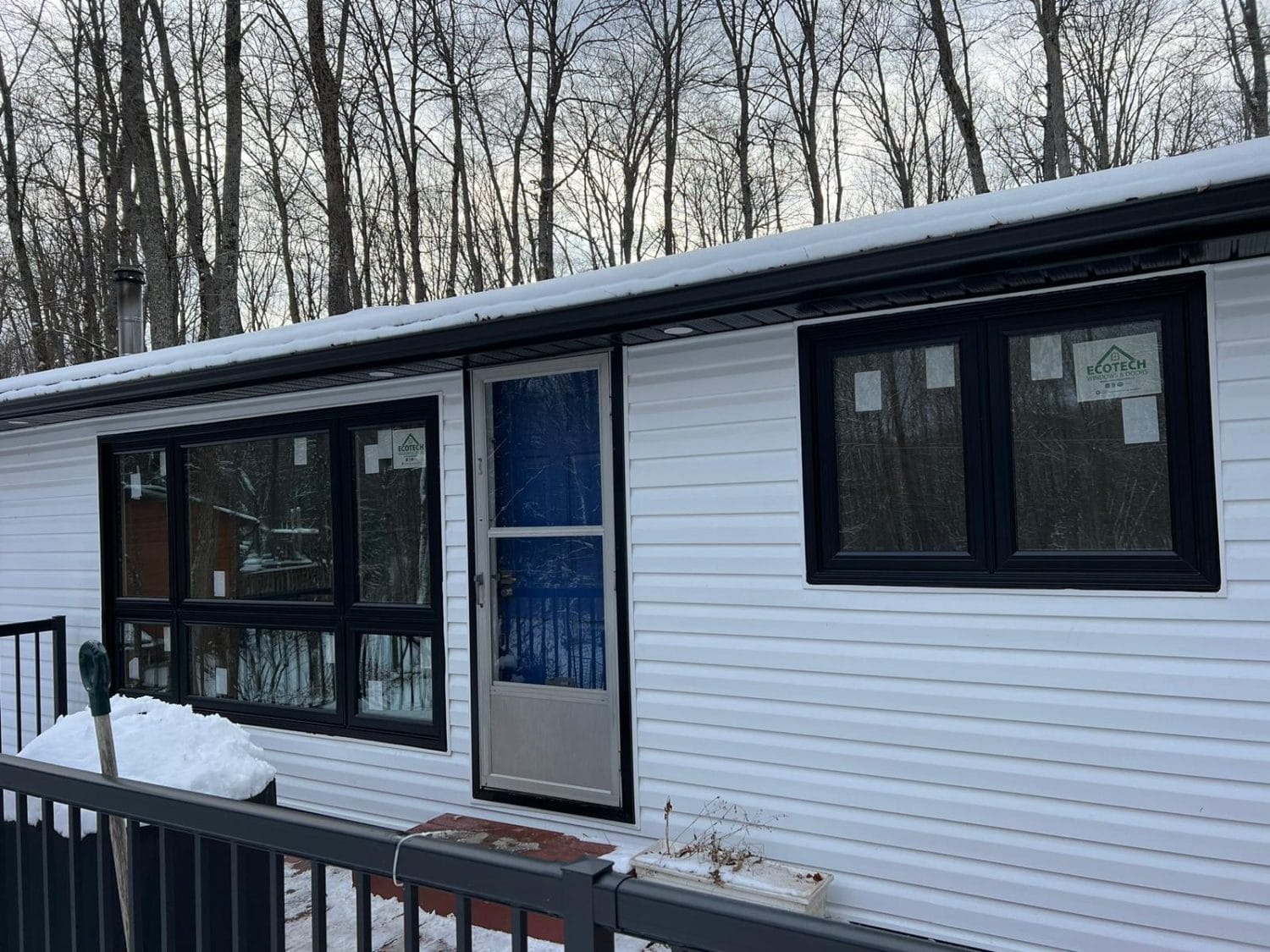
These are often the signs that a window or door has reached the end of its useful life. Bring that list to a no-obligation in-home consultation with an EcoTech product specialist, who can show you which openings are most exposed and what replacing them would involve. And if you’re wondering about timing, windows and doors can be replaced in winter.

What to Look for in Replacement Windows and Doors
Not every window or door handles extreme weather equally. Here are four questions worth asking, and how EcoTech answers each one.
- How is it rated? In Canada, windows are tested and rated for air tightness, water resistance and wind load under the North American Fenestration Standard and its Canadian supplement, CSA A440S1. Ask what ratings a product carries and whether they suit your home’s exposure. The EcoTech difference: because EcoTech designs and manufactures its windows and doors in Concord, Ontario, they’re made for Canadian conditions from the start, and an EcoTech product specialist can walk you through how each product is rated and which options suit the side of your home that takes the most weather.
- What’s in the glass? NRCan lists low-e coatings (which can reduce heat loss by up to 50%), inert gas fills such as argon, insulated spacers and multiple panes as the features that improve performance. Triple-pane glass is worth considering for the coldest rooms and markets. The EcoTech difference: most EcoTech windows are ENERGY STAR certified, triple-pane glass is available for the most exposed rooms, and EcoSmart windows add foam-filled frame chambers, so the frame helps keep the cold out, not just the glass.
- What’s in the door? NRCan says insulated-core doors are more thermally resistant than solid doors or doors with a lot of glass. Look for an insulated core and tight-fitting seals. The EcoTech difference: EcoTech’s steel and fiberglass entry doors are built with insulated cores and made in Concord, and EcoTech’s patio doors are designed to replace the worn, drafty doors that are so often a home’s weakest point in a storm.
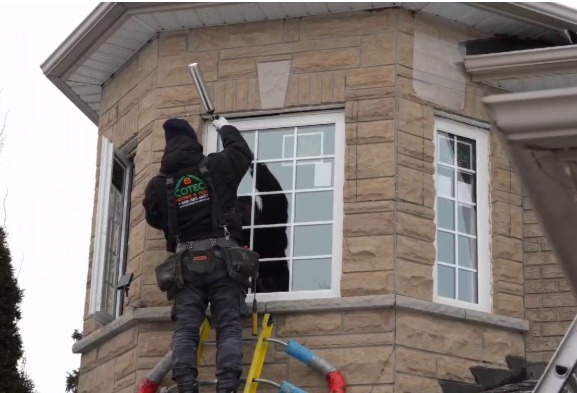
- Who installs it, and how? Installation matters as much as the product. The best-rated window still lets in air and water if the gap around the frame isn’t properly sealed and insulated. The EcoTech difference: EcoTech’s own professional installers handle every job, and the work is backed by a 25-year transferable warranty covering product, installation and labour, so you’re covered on the install, not just the window.
The Bottom Line
A super El Niño may well bring a milder winter, and that’s welcome. But mild on average still leaves room for freezing rain, wind, storms and deep cold snaps, and windows and doors are where that weather meets your home. Don’t wait for the next storm to find out which ones are letting it in. New EcoTech windows and doors, professionally installed, can help keep the wind, water and cold where they belong: outside.
“When I walk through a home, I ask which windows face the wind and which ones frost up first,” says Sherry, an EcoTech product specialist. “That tells you very quickly where the house is exposed.”
Whatever your region, book a no-obligation in-home consultation with an EcoTech product specialist or call 1-888-880-6827.
Frequently Asked Questions
1. How are windows rated for wind and rain in Canada?
In Canada, windows are tested and rated for air tightness, water penetration resistance and wind load under the North American Fenestration Standard (NAFS) and its Canadian supplement, CSA A440S1. Ratings vary by product and size, so ask your product specialist which ratings a window carries and whether they suit how exposed your home is.
2. Can windows and doors be replaced in winter?
Yes. EcoTech installs windows and doors through the winter. Installers work on one window at a time, and an opening is usually open to the outside for only 10 to 15 minutes. Read what happens on a winter installation day.
3. What makes an entry door better for cold, stormy weather?
Natural Resources Canada says insulated-core doors are more thermally resistant than solid doors or doors with a lot of glass. Tight-fitting seals and a proper installation in the opening matter too, because gaps around the frame let wind and water in.