
When it comes to choosing windows for your home, the decision between single hung vs. double hung windows can make a significant impact on aesthetics, functionality, and energy efficiency. Both types have their unique features, pros, and cons, making them suitable for different needs and preferences. Understanding the distinctions can help you make an informed choice that aligns with your requirements and budget.
What Are Single Hung Windows?
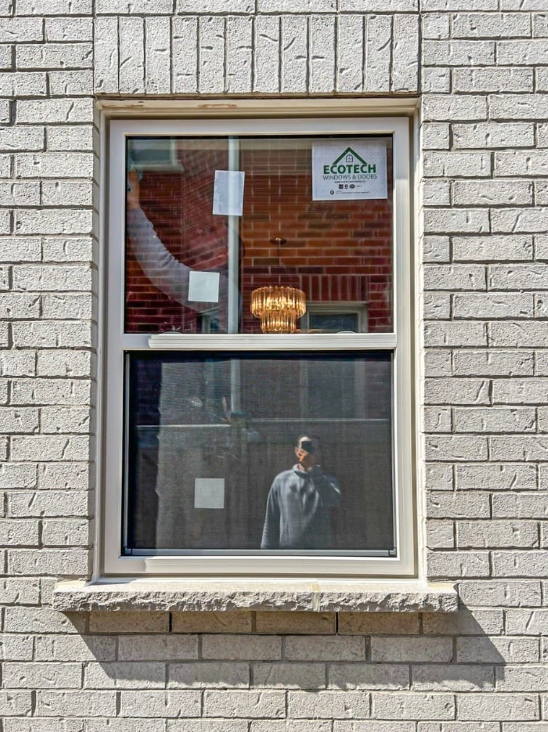
Single hung windows feature two sashes, but only the bottom sash is operable. The top sash remains fixed in place. This design is classic and straightforward, commonly found in traditional homes.
Fixed Top Sash:
Provides a stable structure and enhances energy efficiency.
Bottom Operable Sash:
Allows for vertical movement for ventilation.
Cost-Effective:
Single hung windows are generally more affordable compared to double hung options.
Benefits of Single Hung Windows:
- Ideal for smaller spaces due to their compact design.
- Easier to install and maintain.
- Better energy efficiency as fewer moving parts reduce air leakage.
What Are Double Hung Windows?
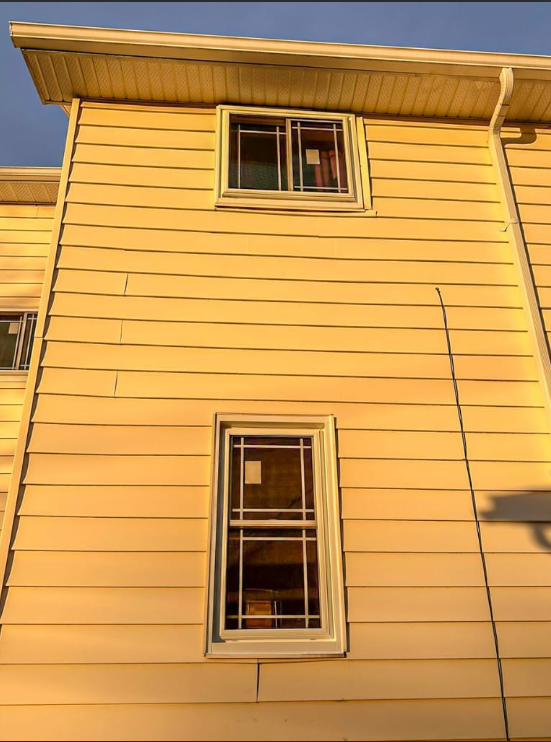
Double hung windows are similar in appearance to single hung windows but offer more versatility. Both the top and bottom sashes can move, allowing for improved ventilation and ease of cleaning.
Key Features of Double Hung Windows:
Two Operable Sashes:
Both sashes can slide vertically, providing flexible airflow.
Tilting Mechanism:
Many double hung windows allow sashes to tilt inward for easy cleaning.
Modern Design:
Suitable for contemporary and traditional homes alike.
Benefits of Double Hung Windows:
- Enhanced ventilation options by opening both sashes.
- Easier to clean from the inside, making them perfect for multi-story homes.
- Versatile design fits various architectural styles.
Single Hung vs. Double Hung Windows: What Are the Key Differences?
1. Functionality
Single Hung:
Only the bottom sash opens, limiting ventilation.
Double Hung:
Both sashes open, providing greater airflow and flexibility.
2. Energy Efficiency
- Single hung windows are more energy-efficient due to fewer moving parts, reducing air leakage.
- Double hung windows may lose some efficiency due to their dual operable sashes.
3. Maintenance
- Cleaning single hung windows can be challenging for upper stories as the top sash is fixed.
- Double hung windows are easier to clean, especially with tilt-in sashes.
4. Cost
Single Hung vs. Double Hung Windows Price:
- Single hung windows are generally more affordable, making them an excellent option for budget-conscious homeowners.
- Double hung windows cost more due to their additional features and functionality.
Which Is More Energy-Efficient: Single-Hung or Double-Hung Windows?
If energy efficiency is a priority, single hung windows typically outperform double hung windows. Their fixed top sash minimizes air infiltration, making them more effective at maintaining indoor temperatures. However, investing in double pane or triple pane glazing for either type can significantly enhance energy performance.
Single Hung vs. Double Hung Windows: Pros and Cons
Single Hung Windows:
Pros:
- Affordable and cost-effective.
- Compact design suitable for smaller spaces.
- Better energy efficiency.
Cons:
- Limited ventilation options.
- Cleaning can be challenging for upper stories.
Double Hung Windows:
Pros:
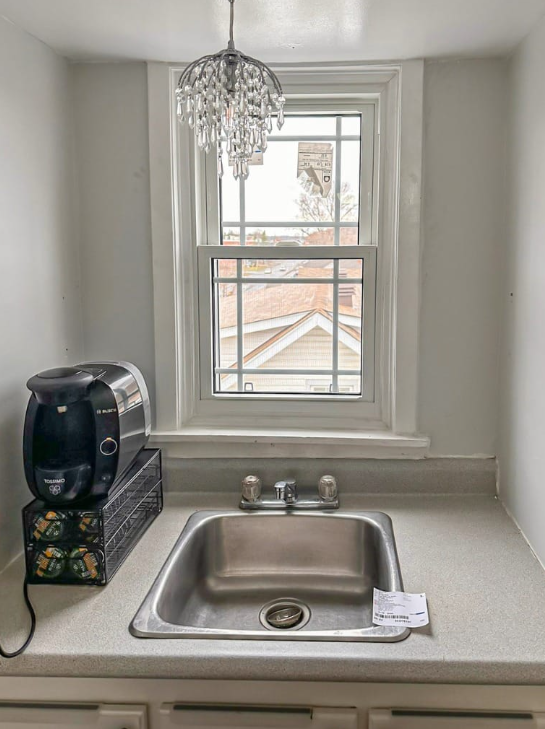
- Improved ventilation with dual operable sashes.
- Easy to clean, especially for multi-story homes.
- Versatile design.
Cons:
- Higher cost.
- Slightly less energy-efficient.
Single Hung vs. Casement Windows:
For homeowners considering alternatives, single hung vs. casement windows is another comparison worth exploring. Casement windows open outward using a crank mechanism, providing unobstructed views and excellent ventilation. While single hung windows are more affordable and compact, casement windows offer superior energy efficiency and modern aesthetics.
Single Hung Double Pane Windows: Enhancing Efficiency
Opting for single hung double pane windows is a great way to boost insulation and energy savings. Double pane windows consist of two layers of glass with a gas-filled space in between, reducing heat transfer and enhancing indoor comfort.
Conclusion:
Choosing between single hung vs. double hung windows depends on your budget, design preferences, and functional needs. Single hung windows are ideal for those seeking an affordable, energy-efficient option with a traditional design. On the other hand, double hung windows offer greater flexibility, ease of cleaning, and modern appeal, making them suitable for a wider range of homes.
If you’re still unsure about which type of window to choose, EcoTech Windows & Doors can help. We offer a variety of high-quality windows to meet your needs, whether you prefer the simplicity of single hung windows or the versatility of double hung ones. Call EcoTech Windows & Doors at 888-880-6827 or email us at info@ecotechwindows.ca. Visit our website at EcoTech Windows & Doors.
Frequently Asked Questions:
Q1. Which is better, single hung or double hung windows?
Double hung windows offer better ventilation and ease of cleaning, while single hung windows are more affordable and energy-efficient
Q2. How do single hung vs. double hung windows differ in price?
Single hung windows are generally less expensive due to their simpler design.
Q3. Are double hung windows harder to maintain?
No, double hung windows are easier to clean, especially for upper floors, due to their tilt-in feature.
Q4. What is the main benefit of single hung double pane windows?
They provide excellent insulation and energy efficiency, making them a cost-effective upgrade.
Q5. How do single hung windows compare to casement windows?
Casement windows offer better ventilation and energy efficiency, while single hung windows are more compact and budget-friendly.


